Shipping & Packing
Shipping Chocolate, Candles and Anything That Melts in a Texas Summer
Between now and October a box spends hours in a truck that is not air-conditioned. What the carriers say about perishables, what actually survives, and why melting is on the sender.
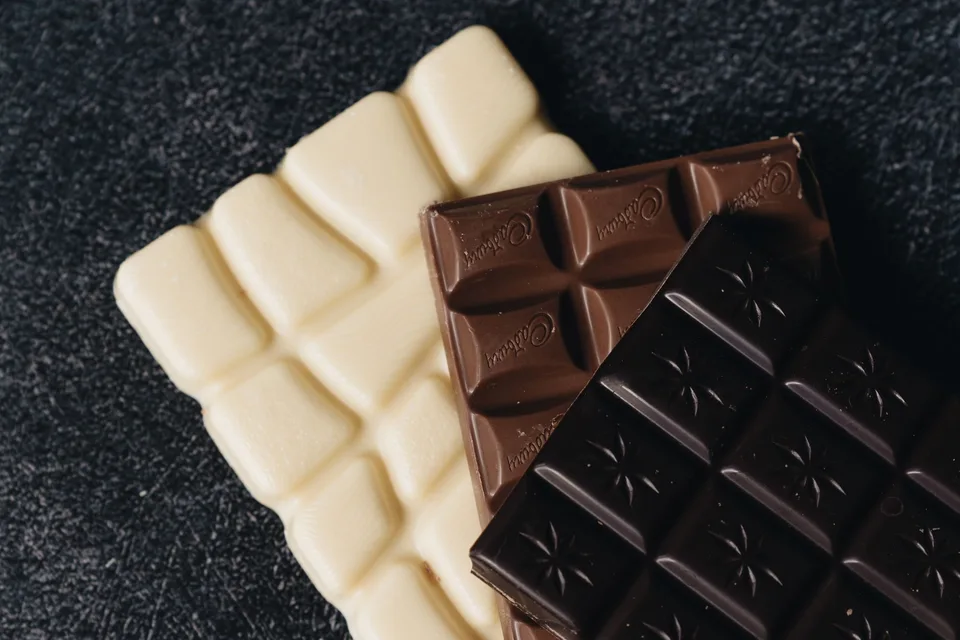
Short answer: chocolate, candles, soap, cosmetics and homemade food can be shipped in a Texas summer, but only inside an insulated box with a coolant, sent early in the week on a fast service, and with the understanding that every carrier treats a perishable as shipped at the sender’s risk. If a box of truffles arrives as one truffle, that is not a claim. It is a packing lesson.
From late May through the first cool front, a delivery truck around here is an oven on wheels. So is a porch. The rules below are the carriers’ own, and the advice is what we tell people who bring a cooler bag to the counter.
Whose risk it is
The Postal Service defines perishable matter as “anything that can deteriorate in the mail and thereby lose value, create a health hazard, or cause an obnoxious odor, nuisance, or disturbance, under ordinary mailing conditions.” Its rule for sending it, in its own words: “Mailable perishable matter may be sent at the mailer’s own risk when it is packaged as required and when it can be delivered within appropriate and reasonable time limits to prevent deterioration.”
FedEx’s perishables guidance lands in the same place. Its packing instructions close with “Proper packaging is the sole responsibility of the shipper.”
Read those two sentences together and the practical meaning is clear. The carriers will move a box of fudge. Whether the fudge is still fudge on arrival is on how it was packed and how fast it was sent, and the carrier’s claim process is not built to pay for a July melt.
What FedEx says to do
FedEx publishes specific numbers for perishables, and they are a good baseline for any carrier:
- “Use an insulated foam container with a minimum of 1-1/2”-thick walls,” and put that foam container inside a sturdy corrugated outer box.
- Gel packs for anything that needs to stay cold, which FedEx describes as “between 34ºF (1ºC) and 50ºF (10ºC).” Dry ice only for items that must stay frozen. Gel coolants are preferred over wet ice, which leaks.
- “Double-bag perishable products that can melt or thaw and shipments that contain liquid in watertight plastic bags (minimum of 2-mil thickness).”
- “Ship your packages at the beginning of the week (Mon-Wed)” so the box is not sitting in a facility over a weekend, and “take holidays and weekends into consideration.”
- For anything temperature-sensitive, FedEx recommends its overnight services rather than ground.
One caution on dry ice: every carrier treats it as a regulated material with its own packaging, marking and weight rules, and FedEx’s guidance says shipments with dry ice must be prepared by someone trained in dangerous goods. Do not put it in a box on your own. Ask first.
The list of things people forget can melt
Chocolate is obvious. The rest of what shows up soft, bent or fused at the other end, when it goes in a plain box in June:
Candles (a pillar candle at 95 degrees is a puddle with a wick), lipstick and lip balm, crayons, bar soap with a high oil content, gummy vitamins and gummy anything, protein bars with a coating, cheese, cured meat that was meant to be refrigerated, vinyl records (they warp), photographs stacked face to face, anything sealed in a jar with a wax top, and homemade baked goods with frosting.
Hard candy, crackers, jerky, commercially sealed shelf-stable snacks, coffee beans, tea, dry mixes, and most nuts travel fine without insulation. If a grocery store keeps it on an unrefrigerated shelf, it usually ships without special handling. If the store keeps it in a cooler or by the register under a fan, it needs the foam box and the gel packs.
How fast is fast enough
An insulated box with two gel packs buys time, not immunity. Sent overnight on a Monday, most cold items arrive still cold. Sent ground on a Thursday, the same box may spend three or four days on the network, and the gel packs will be room temperature by Saturday morning.
Match the service to the item. If it can survive a warm afternoon on a porch, ground is fine. If it cannot, it needs a next-day service, it needs to go early in the week, and the person receiving it needs to know it is coming so it does not sit outside. Every delivery estimate is the carrier’s estimate under its own service terms. We can tell you what each carrier publishes for your destination; we cannot promise the truck’s schedule.
What we can do at the counter
Bring the insulated container and the gel packs, and we will build the outer box around it, cushion it, and label it for the service you choose. We will quote it across the carriers we ship with and point out the earliest pickup. Bring the contents already chilled or frozen, not room temperature, because a gel pack is meant to hold a temperature, not create one.
Bring it in Monday, Tuesday or Wednesday morning. Tell us what is inside and when it has to arrive. If the honest answer is that it will not make it in the heat, we will say so, and suggest waiting for October, which around here is when the shipping season for food actually starts.
Packing basics that apply to every box are in the five packing mistakes, and everything we handle is on the services page. We are at 9311 FM 1488 Road, Suite 30, Magnolia, and the number is 936-444-9711.
Topics
- shipping
- perishables
- summer
- heat
- chocolate
- candles
- USPS
- FedEx
- Magnolia TX
Stop in or give us a call
9311 FM 1488 RD, Suite 30, Magnolia, TX 77354 · Mon–Fri 9–6 · Sat 10–4