Shipping & Packing
Shipping a Laptop, a Phone, or Anything With a Lithium Battery
A device with its battery inside can ship almost anywhere. A loose battery by itself is the problem. The Postal Service's own limits, what FedEx refuses outright, and how to pack it.
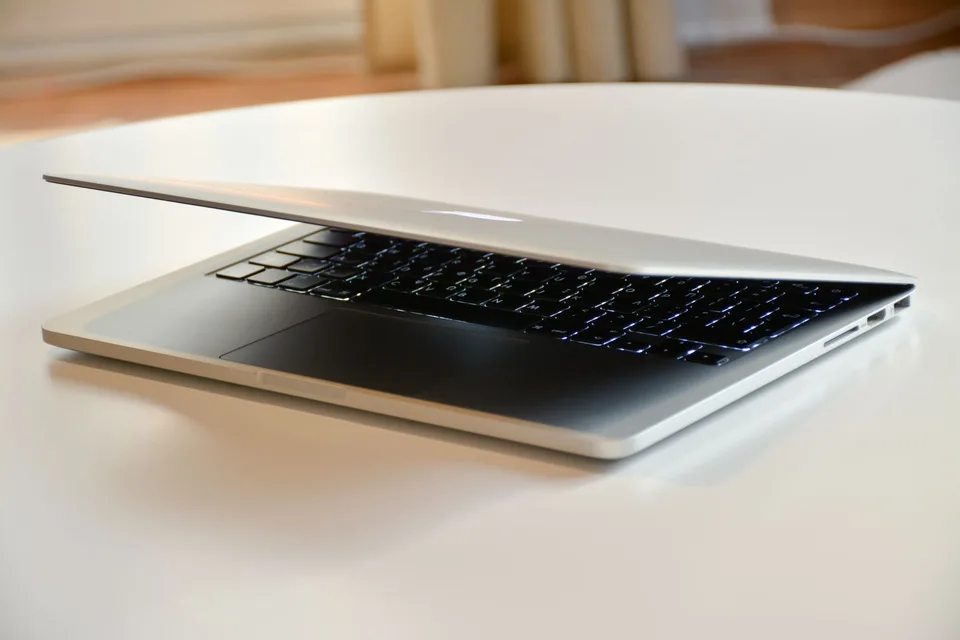
Short answer: a laptop, phone, tablet or camera with its battery installed can ship domestically by any carrier we work with, by air or ground, as long as it’s packed so it can’t switch on or short. A loose lithium battery, on its own, is where the rules get tight: the Postal Service won’t fly one, and no carrier will take one that is damaged or recalled.
Graduation season puts this question on the counter every week. Somebody is sending a laptop to a kid who just moved, mailing a phone back to a carrier, or shipping a camera to a buyer. The rules are published by the carriers and they are more specific than people expect. Here is what they say.
The Postal Service’s limits, by the numbers
USPS spells this out in its hazardous materials publication (Publication 52, section 349). The distinctions that matter:
Battery installed in the device. Lithium-ion batteries installed in the equipment they power are mailable by air and by ground, with limits. Per USPS, each cell must not exceed a 20 watt-hour rating and each battery must not exceed 100 watt-hours, and a package may hold up to 8 cells or 2 batteries. Most consumer laptop batteries are rated under 100 Wh; the rating is printed on the battery or listed in the specs. Phones and tablets are well under it.
Battery packed alongside the device, not installed. Also mailable by air and ground under the same 8-cell or 2-battery cap, per USPS.
Battery by itself. This is the one people trip on. Per USPS, a standalone lithium-ion battery is mailable by surface transportation only. It is prohibited by air, and the package has to carry a marking that reads “Surface Mail Only, Secondary Lithium Batteries - Forbidden for Transportation Aboard Passenger Aircraft.” The same surface-only rule applies to standalone non-rechargeable lithium metal batteries, with their own limits on lithium content.
International and military addresses. Per USPS, the only lithium batteries that may go to international or APO/FPO/DPO addresses are small consumer-type batteries installed in the equipment they operate. So the laptop can go overseas with its battery inside. A spare battery for it can’t go through the mail at all.
What FedEx says
FedEx publishes its own guide for lithium battery shipments, and two lines from it decide most counter conversations.
First: “FedEx will not accept or ship recalled or defective batteries, either as a stand-alone unit or contained with equipment.” A swollen phone battery, a laptop that has been getting hot, a battery on a recall list: none of it ships, in any packaging.
Second, on packing: batteries have to be “individually packaged in fully enclosed inner packaging such as a plastic blister wrap or pasteboard,” shielded “to prevent short circuits or contact with conductive materials,” and, unless they are installed in the device, “completely enclosed” with the void space filled so nothing moves. Standalone batteries also carry a specific hazard mark and UN number, which is a shipper’s responsibility to get right and a good reason to let us handle that category rather than guessing.
UPS and DHL each publish comparable rules. Every one of them refuses a shipment that doesn’t meet the published requirements, and the refusal can happen at a sort facility after you have left the counter.
How to pack a device so it passes
Most of this is common sense once you know what the rules are protecting against, which is a battery shorting or switching on in a cargo hold.
Power the device fully off. Not sleep, off. Back up anything on it first, since a device that arrives broken has no claim value for the data.
Put it in a snug inner box, ideally the one it came in, and put that inside a plain corrugated outer box with cushioning on every side. Retail packaging alone is not an outer box; see the packing mistakes guide for why. A laptop wants at least a couple of inches of cushion all around, and it shouldn’t be able to move when you shake the closed box.
If a spare battery is going in the same box as the device, tape over the exposed terminals or seal it in its own bag so nothing conductive touches them. Chargers and cables go in a separate bag so a plug prong can’t rub a battery.
Do not ship a device that is cracked open, leaking, or has a battery that looks puffy. Take it to a proper electronics recycler instead. Every carrier’s rules refuse it, and a damaged lithium cell in a truck is a genuine fire risk.
Value and coverage
A laptop is worth more than the carrier’s base liability, so declared-value coverage is a decision to make when the label is created, not after. Coverage terms, limits and the claim process all belong to the carrier, and a claim needs proof of value, meaning a receipt or order confirmation. We can add declared value to the shipment; the terms it is covered under are the carrier’s.
When to come in
If it’s a phone, tablet or laptop with the battery inside, going to a US address, bring it in powered off with whatever original box you still have and we will pack and ship it. If it’s a spare or loose battery, or the destination is outside the country, call first at 936-444-9711 and tell us exactly what the item is. Some of those ship by ground with the right markings, some don’t ship at all, and it’s better to know before you drive over.
We quote across the carriers we ship with so you can see the ground and air options side by side, and the full list of what we handle is on the services page. The counter is at 9311 FM 1488 Road, Suite 30, Magnolia, Monday through Friday 9 to 6 and Saturday 10 to 4.
Topics
- shipping
- lithium batteries
- electronics
- laptop
- USPS
- FedEx
- Magnolia TX
Stop in or give us a call
9311 FM 1488 RD, Suite 30, Magnolia, TX 77354 · Mon–Fri 9–6 · Sat 10–4